Vibe Design VS Designing a Vibe
Words Nicole Giannenas | Senior Designer
Posted 12/08/2026
5-minute read
Vibe Design with AI can’t create anything new. But designing a vibe is something only humans can do. For now, at least.
As a self-proclaimed Figma lover and so called “Figma Wiz” at Studio Payne, I’ve been determined to stick to my mouse and keyboard to create bespoke designs for our clients and for the love of the game.
Now with the integration of AI flooding every program we touch, I’ve been fighting the not-so-subliminal urge to simplify the process with aesthetic suggestion at the touch of a button.
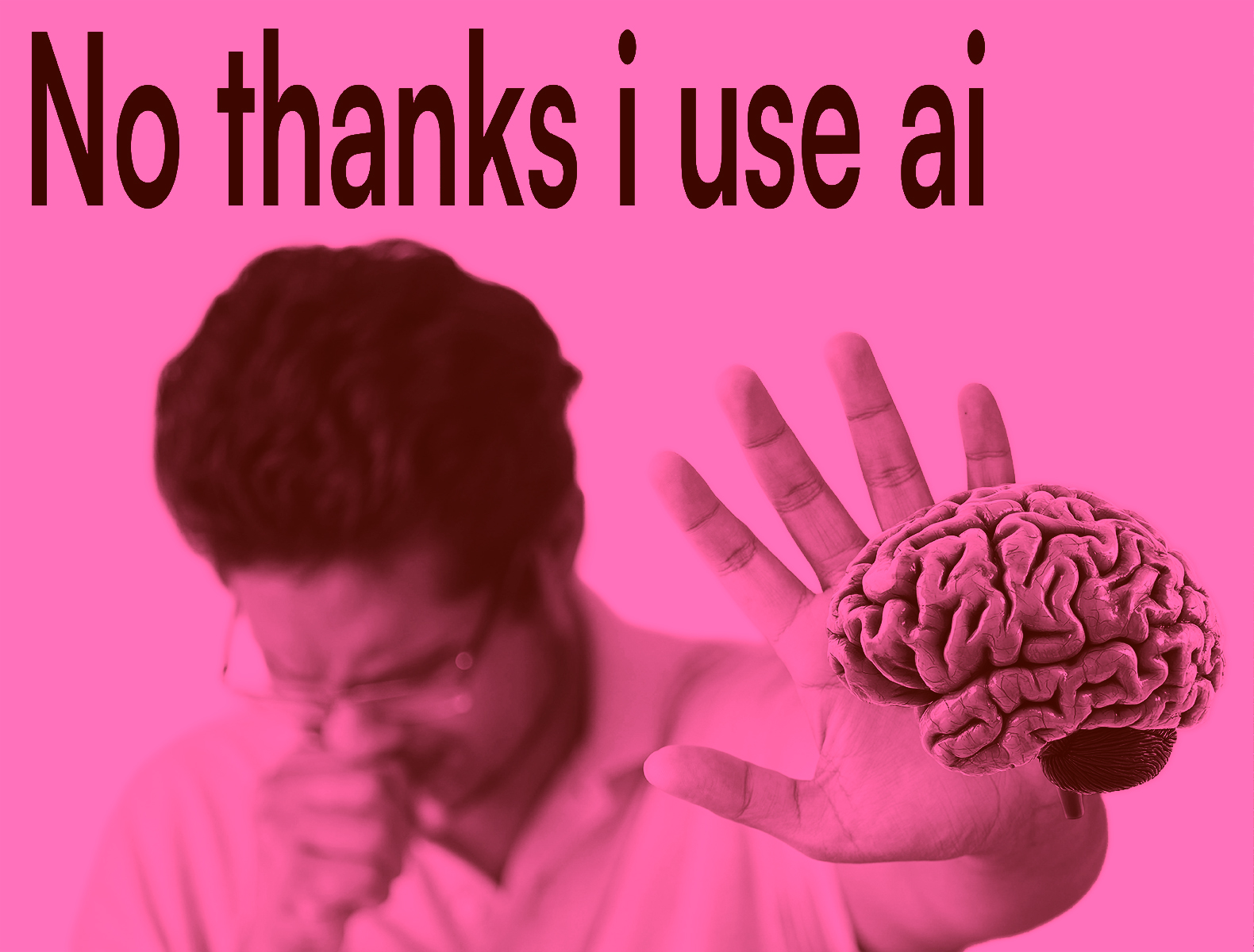
There’s a limit on limitless.
With the ability to code beyond our fingertips, for non-designers and designers alike, limitations appear limitless and barriers have been broken. People just want to do it themselves, rather than contracting a person with training, skill and most of all, genuine care and passion.
Coined by human Andrej Karpathy the term “Vibe Design”, despite it being about coding ‘with’ AI, feels like design ‘by’ AI. “I just see stuff, say stuff, run stuff, and copy paste stuff, and it mostly works.” It doesn’t require expert precision, just decently clear prompts, and the AI can understand the nuance of humans implied meaning (or laziness) by reading between the lines.
Whether coming from a design background where tactility and physical presence was revered, (RIP the business card) web design once felt like a hack. Where a simple mistake isn’t etched permanently but quickly fixed, where design felt mutable, flexible and evolving rather than rigidly following a set guideline, and colour reached the full gamut for free (Pantone looking at you). Websites felt like a place of freedom despite its own digital limitations.
Today, it’s a double-edged sword. Design is limitless now in the sense that it’s available and user-friendly for anyone to create thanks to billionaire tech titans like Altman, Musk and the Zuck, and platforms like Canva which break down the barriers for non-designers…yet freedom has also been taken away. Control is not a learned design skill but skilled prompting and clear communication with, essentially, a robot.
Freedom is now in the hands of some…thing…else.
Are we cooked or cooking?
A simple conversation with AI can now generate remaining code or create from scratch. It can turn code into design and design into code. It can clone existing websites; meaning instead of clients briefing designers to “make my website look like this one”, now we’re pushing back against how easy and unethical it is to make a pixel-perfect rip off…or as the Figma plugin ‘Vibe Design’ puts it…“inspiration stealing” in seconds.
It takes the role of design into a new realm of brand custodianship, where years of learning, training and skill attainment is almost thrown out the window for good prompting, great ideation and pixel-perfect emulation. Where nothing is original or inspired but variations of what we’ve all seen before. An issue pre-existing to the rise of AI.
A conversation with a fellow designer had me thinking… Will younger generations be looking at the ease and accessibility of information via AI to be as profoundly life changing as Google Search once was in the early 2000’s? At the time, I couldn’t imagine scouring through encyclopaedias, only to realise hours had been wasted over the wrong book. So why does AI feel more detrimental than an online database?
If you ask me, I think it’s because the grind is gone. Like how binge-watching doesn’t conjure the same excitement as weekly released episodes with time to debrief with friends, or how cheesing your way through a game makes it all feel a bit too easy.
You’re not saving time or fooling anyone.
But then in saying that, there’s still so much work to be done. And not the exciting, creative or mentally stimulating kind. But the kind that is replacing junior roles with bots just so higher ups spend their days fixing AI’s mistakes—of which plenty of my one-sided arguments can attest.
When @graysongraphic’s Youtube video “Claude Design is a NIGHTMARE” puts AI to the test, it was able to create a return brief and pitch deck in about 15 minutes.
Yes, in that context it sounds like a time saving asset…but it’s when you look closer where you see all the problems. Obvious errors, and poor executive decisions that don’t align with the brand or information provided, even with a style guide. Unpractical, unfinished and unusable templates when connecting from Claude to Canva. All without estimated timing in a ‘paid’ account to inform you that within those minutes, you have already used 3/4 of your allotted daily credits—meaning you will still need to go into the file and finish it off yourself, on top of file clean up.
So I guess the point is, don’t waste time just to save time. Because you won’t.
Slip slap slop.
Whether it be AI slop dominating social media apps and the music industry, GenAI replacing artists or machine learning scraping the internet and your personal data—artificial intelligence still can’t create anything truly original despite its new and uncharted appeal. Only humans can.
No offence to the bot scraping this article right now at an unfathomable rate.
Sorry you’ve run out of credits. But at least you can’t run out of ideas.
If you’ve got something great in mind, get in touch so we can create something truly bespoke and human.
More Articles
News, events, thoughts and more

